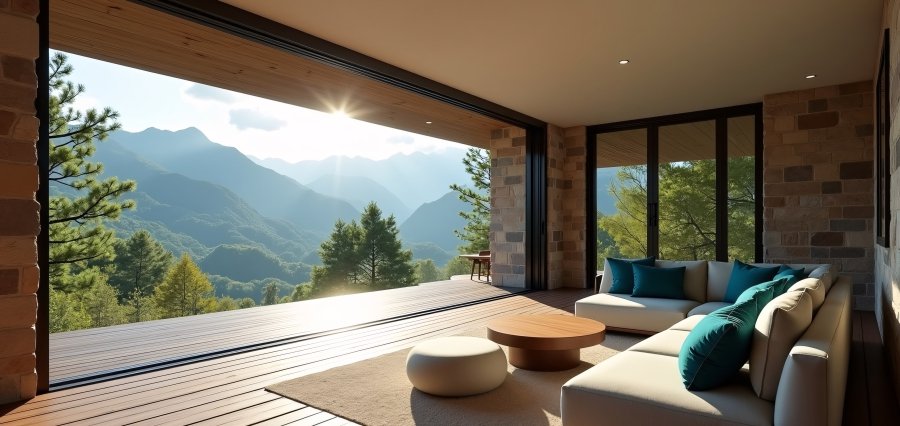
There is a certain kind of room that stops you the moment you walk in. It does not shout for attention. It does not overwhelm you with colour or pattern. It simply feels right. Warm, grounded, and easy to be in. The kind of space where you instinctively want to sit down, slow down, and stay a while.
That feeling does not happen by accident. It is the result of deliberate choices about materials, light, proportion, and texture. And more often than not, the style behind that feeling has a name. Modern rustic interiors occupy the space where two design languages exist that appear to be opposite yet complement each other in such a natural fashion.
The following discussion highlights some of the features that distinguish modern rustic interiors, their design, and their various elements.
The Philosophy Behind the Style
For one to appreciate modern rustic interiors, it is necessary to appreciate the dichotomy at the heart of this style. While modern design emphasizes minimalism and elegance, rustic design highlights the elements of warmth, earthiness, and nature. When combined, both styles complement each other.
The rustic interior design style is not about recreating a farmhouse or a mountain cabin. It is about bringing the honesty of natural materials into a space that is still visually calm and uncluttered. The result is a home that feels both collected and intentional, lived in without being chaotic, simple without feeling cold.
Materials and What They Bring to a Space
Materials are the foundation of modern rustic interiors. They do most of the visual and emotional work in a room.
Wood is central to almost every version of this aesthetic. Reclaimed timber, rough-hewn beams, and aged hardwood floors have a sense of history and weight that no synthetic material can replicate. The grain, the knots, the imperfections are not flaws. They are the point.
The use of stone is also quite common, especially as part of fireplaces, accent walls, and countertops. It contributes to the solid feel and subtle drama of the design.
Linen, wool and leather add soft textures and depth to soft furniture. This is due to the fact that these materials are very durable and they contribute to comfort.
Fixtures and hardware may be metallic, most often iron or brushed brass. This helps create balance and prevent the space from appearing nostalgic.
The rustic interior design style relies on this layering of natural materials to create rooms that feel rich without being excessive.
The Colour Language of Modern Rustic Interiors
Colour in modern rustic interiors tends to stay close to the earth. Warm whites, soft creams, sandy beiges, deep browns, and muted greens make up the core palette. These are colours borrowed from landscapes, from stone and bark and dry grass. They sit together without competing.
What is notable about this palette is how much it relies on tone and texture rather than contrast. Two surfaces in similar shades of warm grey can look completely different depending on whether one is plastered stone and the other is rough linen. The material does the work that colour might do in other styles.
Darker accents appear occasionally, in wood stain, in wrought iron, in a deeply upholstered armchair. They add depth and prevent the palette from feeling flat. But the overall impression is always one of warmth and calm.
The Character of Furniture in This Aesthetic
Furniture in modern rustic interiors tends to be substantial. Pieces feel solid and purposeful rather than delicate or decorative. A dining table in this style is likely to be wide, heavy, and made from a single species of wood with visible grain. A sofa might have a clean, low profile but be upholstered in something tactile like boucle or worn leather.
The modern influence shows up in the silhouettes. Lines are cleaner and less ornate than traditional rustic furniture. There is no excessive carving or embellishment. The beauty comes from the material itself rather than what has been done to it.
This balance is what separates the rustic interior design style from purely country or cottage aesthetics. It is grounded and natural but never fussy.
The Role of Lighting
Lighting in modern rustic interiors does quiet but important work. The goal is warmth, always. Cool, bright lighting would undercut everything the materials and palette are trying to achieve.
Pendant lights in iron or aged brass hang over dining tables and kitchen islands. Table lamps with linen shades sit on side tables. Candles appear often, not just as decoration but as a genuine source of soft, flickering light that no bulb fully replicates.
Natural light matters too. Large windows are a common feature in spaces that lean into this aesthetic, letting daylight move across wood and stone surfaces throughout the day and making the textures do their best work.
How Layering Defines the Style
What separates a well-executed modern rustic interior from a collection of rustic objects is layering. Texture built on texture. A jute rug under a linen sofa. A wool throw across a leather chair. A rough plaster wall behind a smooth marble shelf.
Each layer adds depth without adding clutter. The space feels full but not crowded, considered but not stiff. This is where the modern side of the equation earns its place. The restraint, the editing, the commitment to only keeping what belongs, is what holds the whole aesthetic together.
Conclusion: A Style Built on What Lasts
Modern rustic interiors endure because they are built on things that do not go out of fashion. Natural materials, honest craftsmanship, warmth, and simplicity are not trends. They are qualities people have always responded to in the spaces they live in. The rustic interior design style, in its modern form, simply finds a new and more refined way to deliver them. This is an architecture that ages gracefully, adapts easily, and maintains its relevance since it’s all about making a place truly pleasurable to live in.