Prime Highlights:
- Vintage décor is becoming the foundation of modern interiors, with homeowners choosing character-rich spaces over trend-driven designs.
- Designers say homes are now being created slowly and thoughtfully, allowing personal stories and meaning to shape interiors.
Key Facts:
- Experts predict deeper tones like aubergine, navy, rich browns, and soft earth shades will dominate home color palettes in 2026.
- Vintage furniture is valued for its craftsmanship, durability, and sustainability, with homeowners increasingly seeing themselves as caretakers of long-lasting pieces.
Background:
As interior design heads into 2026, vintage is no longer just an accent but the foundation of many homes. Designers around the world are moving away from quick, formula-based designs and focusing instead on homes shaped by age, character, and personal stories.
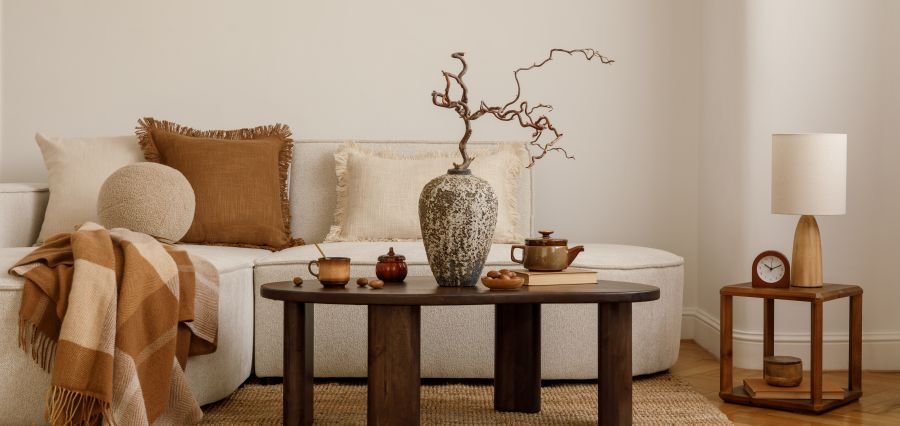
Experts say the rise of vintage reflects a move away from trend-driven design, with homeowners choosing spaces that feel lived-in, layered, and meaningful rather than made for screens. Designers are now building schemes around pieces with history, antique rugs, sculptural chairs, and patinated wood, allowing spaces to evolve organically over time.
“There’s a collective fatigue with interiors that feel engineered rather than inhabited,” notes Washington, D.C. based designer Zoë Feldman. According to her, vintage restores individuality in a design culture dominated by repetition. New York designer Danu Kennedy says vintage pieces last beyond trends because they are made to age beautifully.
This renewed focus on vintage has also changed how people shop and decorate. Designers say homes are now being put together slowly and thoughtfully, rather than all at once. Matching sets are giving way to confident mixes of eras, scales, and silhouettes, often pairing modern forms with antiques to create what designers call “style tension.”
Layering has emerged as a defining characteristic of this movement. Textiles, textures, and materials are being combined to create mood and comfort, not just visual impact. Vintage pieces add character and keep spaces from looking over-styled, while vintage design is also shaping new color choices. Instead of following paint trends, designers are taking colors from antique rugs, old wood, ceramics, and artwork. Many homeowners now see themselves as caretakers of these long-lasting pieces.
Overall, the growing interest in vintage design is more than a trend. It shows a move toward patience, careful choices, and meaning. As 2026 approaches, homes are being shaped by personal stories rather than trends, creating spaces meant to be lived in and remembered.