Prime Highlights
- Interior designers are encouraging homeowners to embrace negative space to create homes that feel calmer, more balanced, and thoughtfully styled.
- Leaving open areas around furniture and décor helps rooms feel curated rather than crowded, improving comfort and visual flow.
Key Facts
- Interior designer Tineke Triggs, an Editor-at-Large contributor for Homes & Gardens’ By Design, highlights negative space as a key element that sets well-designed homes apart.
- Design experts note that pulling furniture slightly away from walls and avoiding over-accessorizing can make spaces feel more inviting and timeless.
Background:
In interior design, an often overlooked idea is negative space. By leaving some areas open instead of filling every corner, homes can feel calmer, more balanced, and more welcoming.
Interior designer Tineke Triggs, an Editor-at-Large contributor for Homes & Gardens’ By Design, says negative space is what often makes a well-designed home stand out. According to Triggs, designers view rooms not just as collections of furniture and décor, but as compositions where space, proportion, and visual pauses matter just as much as the objects themselves.
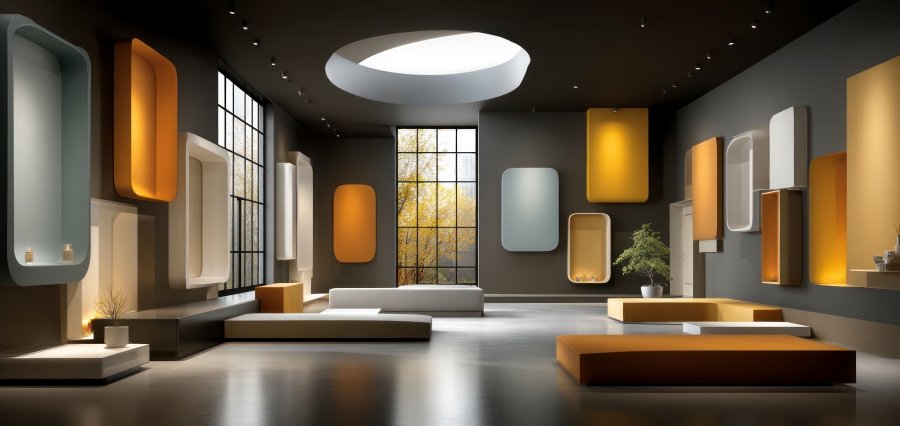
Negative space refers to the open areas around furniture, artwork, and architectural features. These open spaces give the eyes a break and help rooms feel calm instead of crowded. Negative space helps furniture and décor stand out, making homes feel neat instead of crowded.
Open walls and clear surfaces also help highlight artwork, textures, and design details. Natural light benefits as well, as sunlight moving across open areas adds warmth and depth throughout the day.
Although leaving spaces undecorated may feel unfamiliar at first, Triggs stresses that restraint plays an important role in good design. Reducing décor and avoiding too many accessories helps create a calm and polished home.
Negative space is about balance, not empty rooms. It helps spaces feel comfortable and timeless.