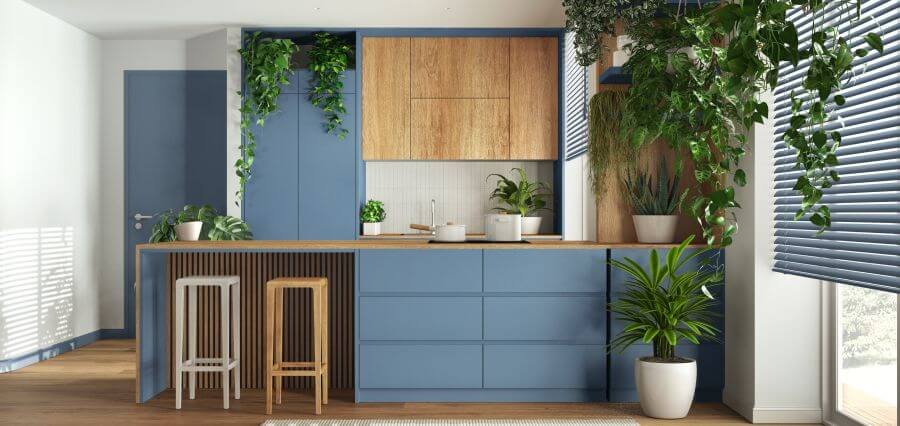
Have you ever entered a room that looked trendy, gave you a feeling of peace, and was friendly to the planet? That is the unnoticeable work of sustainable interior design. Nowadays, people do not only demand flawless spaces in the photos but also seek homes that reflect a lifestyle of being responsible, loving, and making a thoughtful choice. But what exactly is designing in a sustainable way? How is it different from simply using design buzzwords? The answer to this question determines the future of the interior of the spaces where creativity and consciousness meet.
Environmentally friendly interior design is not just about using recycled furniture or having bamboo on the floor; it is a way of life that is aimed at designing that is durable, less wasteful, and that promotes a balanced way of living. Even the smallest things, like the kind of paint or the light through the window, can be the factors that help in lessening the effect on the planet while at the same time making the house totally yours. Many people now, thanks to the eco trend, want to create homes that are both beautiful and meet the standards of good health and longevity.
What Sustainable Interior Design Is All About
Environmentally friendly interiors do not only consider the beauty aspect but focus more on being helpful to the environment. A sustainable design is a green one that is made from renewable materials, is energy-efficient, and is built to last and not become waste in a short time.
Being eco-conscious in our designing is basically asking the questions that weigh on both the pro and con sides of the planet and our health. This involves less use of waste concerning fast furniture and more use of local materials. Using natural fibers, detoxed finishes, and antiques are some of the features that this decor philosophy opens up your house for and which subconsciously all lead to the idea of one sole fundamental: craftsmanship more than consumerism.
Reasons Behind the Rise of Eco-Friendly Design
The reasons behind the increased preference for eco-friendly design are quite numerous and a combination of both environmental and personal health-related issues. More people are becoming conscious that the way they decorate their spaces can either help in saving or put more pressure on the earth. By using materials such as reclaimed wood, organic cotton, and stone, people are not only able to make their houses more durable, but in that process, they also release far fewer pollutants into the environment.
Today’s homeowners have a keen eye for green paints, upcycled decor, and furniture made by local artisans—components of a lifestyle that is more aware of its impact on the planet. This trend goes beyond physical appearance to signify a change in the way a culture operates—a culture that is learning the art of intentional living. Sustainable interior design is a reflection of modern life’s demands for equilibrium, as it focuses on energy efficiency, versatility, and the long use of materials rather than consumption. The major point is not about doing less but being wise in design.
Boho Interior Design: An Introduction
Bohemian interior art is mostly known for its ever-youthful appeal, engaging aesthetic, and abundance of artistic layers, and yet it can also seamlessly integrate with the eco-friendly doctrines. So, what does the boho interior design consist of, then? It comprises the artistic blending of hues, patterns, and fabrics, taking inspiration from the far and wide of the world. Consider Moroccan carpets, wicker furniture, macramé art, and a liberal amount of green plants inside the house.
The success of bohemian homes lies in their uniqueness and coziness. Rather than falling for the mass production of the decor, the boho style is characterized by the use of handcrafted pieces and vintage that tell the past. This thus makes that compatible with being eco-friendly. It is done by adding authenticity and warmth to a room when you use secondhand furniture, handmade ceramics, or textiles from fair trade for products. The serene blend of culture and consciousness is what helps the bohemian home turn into a safe haven—personal, soulful, and eco-friendly.
Combining boho style with sustainable living
Is it possible to combine boho-style interiors with sustainability? Indeed, it is, and the outcome is magnificent in its individuality. Both modes of living share the same core values of creativity, comfort, and purpose. The combination of these values results in the creation of spaces that are one of a kind, considerate, and nature-friendly.
Rattan, jute, and linen are some of the materials that you should select for their durability and natural origin. The design of your place will be more harmonious if you use recycled or repurposed wood for some of your pieces. The light is very important here as well—try to take as much sunlight as possible through thin curtains instead of using heavy and synthetic ones. Greenery is also a significant aspect of the eco-friendly boho-style interiors. Besides that, plants purify the air, which only proves the relationship between health and home. This multi-dimensional but airy style is a classic that strikes a perfect balance between indulgence and intention. It constantly reminds us that the earth and its resources don’t have to be exploited for beauty to exist.
Small steps to an eco-friendly interior lifestyle
The journey towards eco-friendly interior design doesn’t call for radical changes that should be implemented immediately. One should start with small, conscious changes, which, over time, result in a big impact. One should also replace old lighting with LED, select low-VOC paints, and buy from companies that are transparent in their sourcing. A decision is important only if it is made for the well-being of the home and the planet.
Besides furniture, which is mostly multipurpose in a boho-styled house, the most logical thing to do is to renew the fabric of the piece you already have instead of getting a new one. The characters of the reclaimed pieces are more than the ones from newly produced. So if you are going to use boho elements, you may want to incorporate these rescued pieces together with colorful fabrics or some vintage style, thus creating coziness and warmth. In the long run, living sustainably is about being true to yourself and in harmony with your environment—having a place that not only energizes you but the planet as well.
The emotional depth of sustainable spaces
The primary reason behind the charm of sustainable homes is not their small carbon footprint but rather the very feeling they evoke. Usually, spaces that have been designed with utmost consciousness are calmer, lighter, and emotionally stronger. By using natural products, interiors become living instead of lifeless, and the former are the ones that are more akin to sanctuaries.
When home becomes the embodiment of your ethical and aesthetic choices, it acts as a source of inner peace. The very purpose of each and every item is a constant reminder that the world inside goes hand in hand with the one outside. Added to this are the boho elements, which make the whole thing an extremely heartfelt experience—that is, the diversity of being not only a mirror but also a representation of you and your mode of living. In fact, sustainability, in this way, goes beyond the label of being a trend and rather becomes an everlasting story of comfort, creativity, and care.